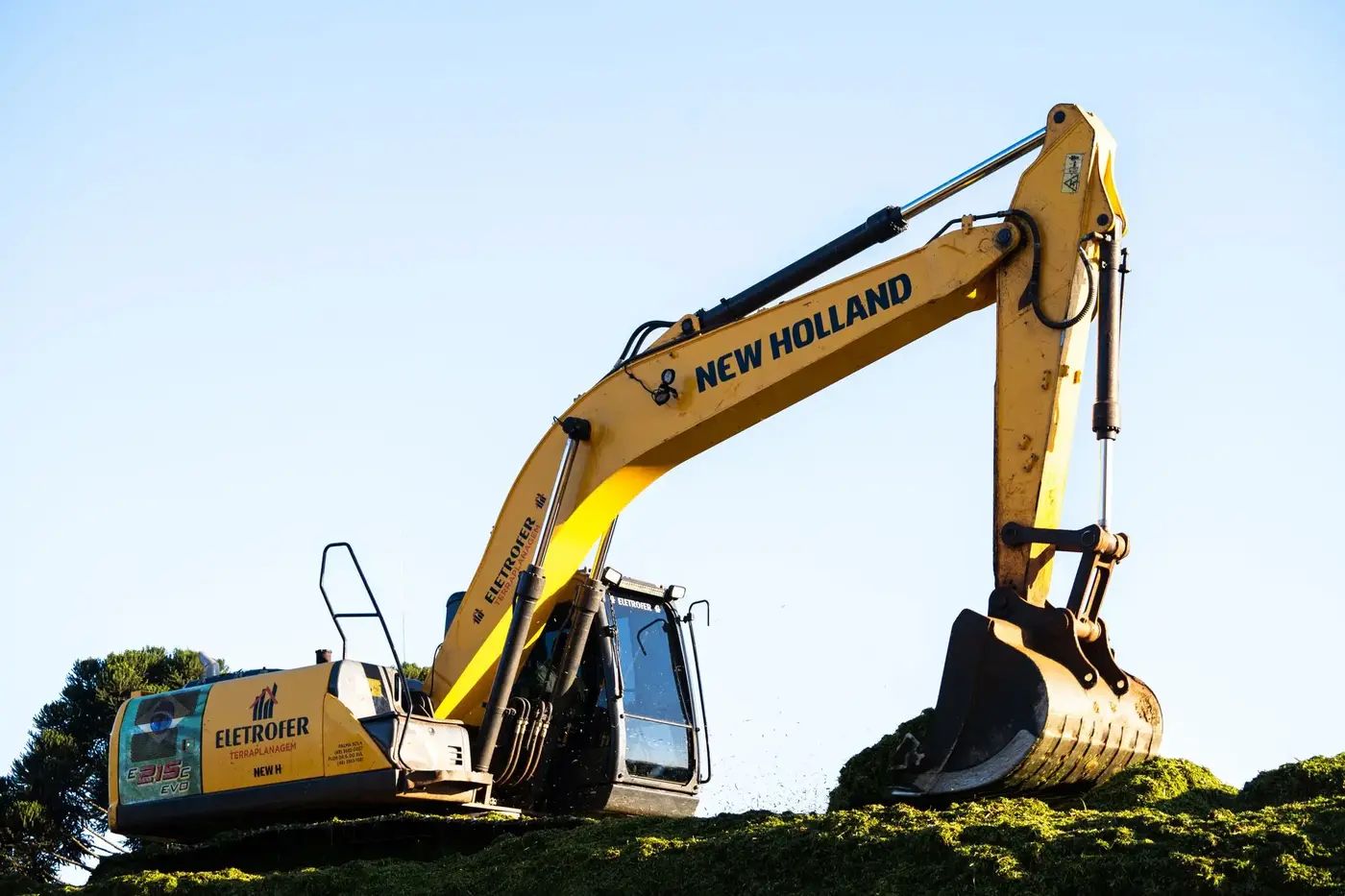
If you’re behind on the finance over a ute, truck, digger or other work machine, the lender can generally repossess it once you’re in default, and the consumer protections you may have read about mostly don’t apply to a business borrower. What does apply is your contract and the Personal Property Securities Act. The good news is that the window between a missed payment and a sold vehicle is usually wider than the letters make it feel, and clearing the arrears through a refinance can keep the machine earning.
That vehicle may be the thing that pays your wages, your rent and the finance itself. Losing it makes the arrears worse, not better. So here is how the process actually runs, where your rights sit, and the options in order.
Do the consumer repossession rules protect a business borrower?
No, in most cases. The Credit Contracts and Consumer Finance Act (CCCFA) is aimed at credit for personal, domestic or household purposes. The Commerce Commission’s guidance says credit for commercial or investment purposes falls outside it, and lenders can ask you to declare that a loan is for business. The Financial Markets Authority took over regulating that Act from 1 July 2026.
This catches owners out because most search results about repossession in New Zealand are written for consumers: warning letters, a fixed notice period and a right to reinstate. AI answers repeat them. If your finance was a chattel mortgage or hire purchase for the business, and especially if the borrower is a company, assume those steps are not guaranteed to you. What you have is what your agreement and the Personal Property Securities Act (PPSA) say.
One catch: a vehicle you use for both work and the school run, financed in your own name, can be argued either way. If that’s you, ask the lender in writing how it classified the loan, and see a lawyer before you rely on either set of rules.
How does repossession of a work vehicle actually work?
The usual sequence is a missed payment, a default notice or demand under your contract, repossession, a notice of intention to sell, and then sale. The PPSA’s enforcement rules sit in Part 9 of the Act, and they give the lender a right to take possession after default, without a court order, if it does so peacefully.
| Step | What happens | What you can do |
|---|---|---|
| Missed payment | Reminder calls, late fees | Pay it, or ask for a short arrangement in writing |
| Default notice | Lender states the default and a cure date | Pay the arrears and costs to cure; send the lender a dated reply |
| Repossession | Lender or an agent takes the vehicle, often early or late in the day | Don’t obstruct it; ask where it’s stored and for the payout figure |
| Notice of intention to sell | Lender tells you it will sell and gives a date | Redeem it by paying out, or line up a refinance |
| Sale | Vehicle sold; proceeds go to the debt | You remain liable for any shortfall |
The notice before a sale matters most. Section 114 of the PPSA requires a secured party to give a notice of intention to sell the collateral, and case law on business goods refers to a period of about 10 working days. Check the exact requirement in the Act and your agreement or ask a lawyer, because a contract can vary some of these steps. The point for you: even after the vehicle is taken, you usually have days, not hours, to redeem it by paying out the debt.
Don’t hide the vehicle or move it. That’s the fastest way to turn a negotiable problem into a legal one, and in a company structure it can create personal exposure for directors. Our guide on talking to creditors covers how to approach that first call.
What should you check before you speak to the lender?
Start with the paperwork, because the answers decide your options. Four checks take about an hour:
- The default clause. Does your agreement treat one missed payment as default, or only after a cure period? Does it allow acceleration of the whole balance?
- The PPSR. The Personal Property Securities Register shows who has registered a security interest over the vehicle. Search your own business name and the serial number. Sometimes the finance company’s security covers more than the one vehicle, which matters if you want to refinance only part of the debt.
- Who guaranteed it. A director or partner may have signed a personal guarantee. If so, the lender can pursue them for any shortfall. See how personal guarantees work.
- The payout figure. Ask for the arrears, the full payout balance and any early settlement charge, in writing.
Nobody wants to have this conversation, but lenders prefer a borrower who rings them first. A dated email naming the amount you’ll pay and when keeps the relationship intact and buys breathing room.
Surrender, sale or refinance: which option is cheapest?
Refinancing is usually the cheapest outcome if the vehicle earns more than it costs, and surrender or sale is cheapest only if you don’t need the asset. A repossession sale tends to realise less than a fair market sale, and the shortfall, plus costs, comes back to you.
| Option | What it does | Main catch |
|---|---|---|
| Negotiate a catch-up | Arrears spread across later payments | Only works if the lender agrees and cash flow can carry it |
| Refinance the vehicle finance | New lender pays out the old one | Needs a payout figure and something to secure against |
| Property-secured loan | Clears arrears, or the whole facility, against property equity | Property is at stake; the loan needs a realistic exit |
| Sell the vehicle yourself | Fair market price, you control timing | Lender must agree to release its security on settlement |
| Voluntary surrender | Ends the repossession fight | You still owe any shortfall |
If the real problem is that cash flow has dried up, not that the vehicle is a bad asset, clearing the arrears alone may only delay the next missed payment. Be honest with yourself about that. A 13-week cash flow forecast will show you in an afternoon whether the work coming in covers the repayment.
Property-secured lending is the route most owners in this position end up asking about, because the lender looks at equity in a home or investment property rather than at the vehicle’s arrears record. Our partners lend from $20,000 to $1m on a first or second mortgage, with no financials needed for the initial assessment. The using home equity guide covers the risks honestly, and so does the one on second mortgages for business. If you’ve already been knocked back by the bank, here’s what happens next.
If you’d like to know whether a refinance is realistic before the lender sets a date, check your options here. It takes about a minute.
A worked example: a Southland earthmoving contractor
Example only: a made-up business drawn from situations we see often.
A two-person earthmoving company in Southland has a digger and a tipper truck on separate finance. A wet winter cuts work for three months, and the owners fall behind on both. The digger lender sends a default notice with a cure date and says it will repossess if the arrears aren’t paid.
- Day 1: They ask for a payout figure on both loans and search the PPSR, which confirms each lender’s security is limited to its own machine.
- Day 3: They tell the digger lender in writing that a refinance is being arranged and give a date. The lender doesn’t commit, but doesn’t repossess either.
- Week 1: They enquire about a property-secured loan against the owner’s home, which has plenty of equity, and explain the winter slump and the contracts now booked.
- Week 3: One new loan pays out both finance companies and the missed payments. The machines never left the yard.
- After settlement: Two finance payments become one, and the forecast shows the extra repayment is covered by work already booked.
Mistakes that make repossession more likely
- Going quiet. Silence is read as inability or unwillingness to pay.
- Hiding or moving the vehicle. It can breach the contract and your personal position.
- Paying one lender and ignoring another. A second default can trigger cross-default clauses.
- Signing a “payment holiday” without reading it. Some add fees or tighten the default terms.
- Assuming consumer rules apply. Waiting for a fifteen-day consumer warning that a business borrower may never receive.
- Leaving the refinance to the final week. Valuations and legal work take time.
If the finance sits alongside bigger problems, like a bank moving you to a recovery team or IRD arrears, see our guide on what a bank recovery team means and the complete refinance page. Business.govt.nz’s dealing with tough times page makes the same point from the official side: the earlier you act, the more options you keep.
Keep the machine earning, and keep the conversation open
We hear from owners every week who are one missed payment away from losing the ute or machine that runs their business. It’s stressful, and it can feel like you’ve failed. You haven’t. A slow quarter happens to good operators, and sorting the finance out is a practical problem with practical answers.
If a refinance looks worth exploring, the enquiry takes about 60 seconds. Asking won’t touch your credit file, as there’s no credit check when you first enquire, so there’s nothing to lose by finding out where you stand. We don’t send your details to a pile of lenders, so your phone won’t light up with strangers. A real person reads your situation, including what you owe, who holds security and any dates the lender has given you, and calls you to talk through what’s realistic.
Please fill the form in accurately, especially the payout figure, any deadline and the property you could offer as security, so we can match you with the right option first time.
Ready when you are
Check your options in about 60 seconds
A few quick questions. Asking won't touch your credit file, your details aren't sent to a pile of lenders, and a real person reads every enquiry.